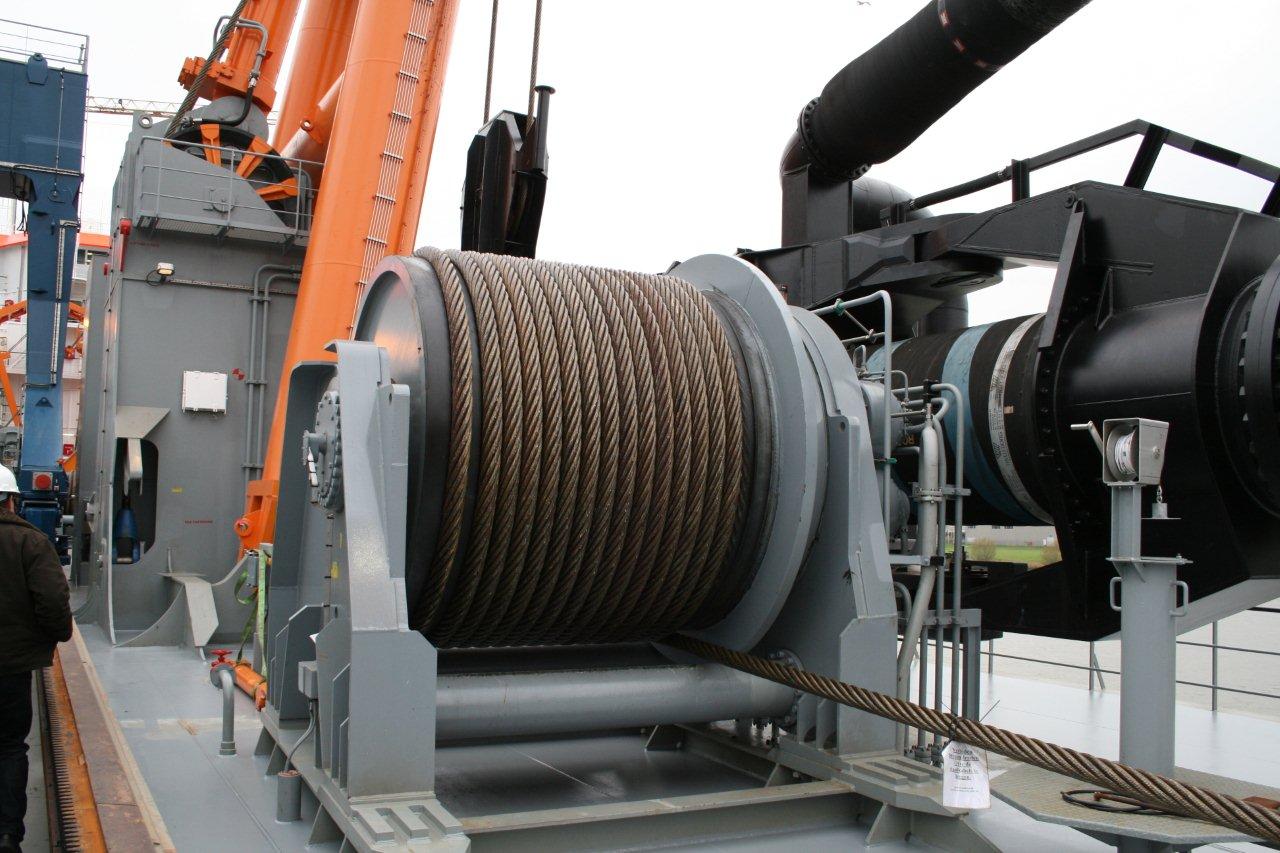
Spooling operations are crucial in the oil and gas, construction, and marine industries where heavy-duty cables, wires, or hoses must be handled with precision. Whether it’s cable spooling or pipe deployment, the right lifting gear ensures safety, efficiency, and equipment longevity. However, many operations suffer from costly delays or accidents due to preventable lifting gear mistakes.
Here are some common mistakes when choosing lifting gears for spooling operations and how to best avoid them:
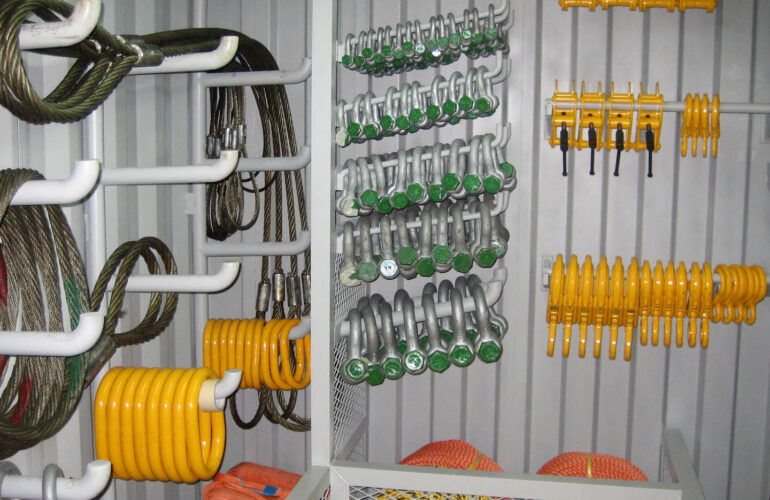
- Using the Wrong Lifting Gear for the Job: Selecting inappropriate lifting gear—such as using a general-purpose shackle for a high-tension spool—can result in slippage, breakage, or total failure. You can avoid this by always assessing the load type, weight, and environment before choosing beam clamps, webbing slings, hooks, or other lifting gears.
- Ignoring Load Capacity Limits: Overloading lifting gear beyond its rated capacity is a leading cause of accidents during spooling operations. Never exceed the SWL (Safe Working Load) on all equipment and not even by a small margin.
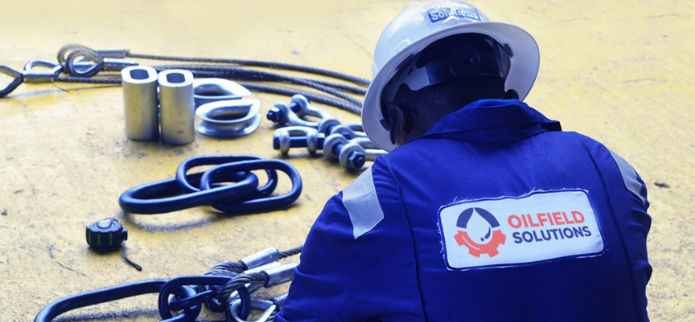
- Poor Inspection and Maintenance: Rusty, frayed, or bent lifting components can easily snap under pressure. Neglecting inspection routines leads to operational hazards. Establish a regular inspection and preventive maintenance schedule for all lifting gear, including beam clamps, shackles, and lifting slings. Conduct pre-operation inspections on lifting points, gear alignment, and connection integrity before every spooling task.
- Inadequate Load Securing: Improper securing of the load causes instability during hoisting or lowering, especially during spool reel handling. When you use the right lifting attachments (hooks, clamps, slings) and secure the spool or pipe with proper tension and alignment you can prevent slips.
- Lack of Trained Operators: Untrained personnel may mishandle lifting gear, misjudge load centers, or overlook safety procedures. Ensure only certified and experienced professionals handle lifting and spooling operations.
- Misalignment of Spools: Improper aligned spools can put uneven strain on lifting gear, leading to damage or drop hazards. Always use guide systems and lifting techniques that center the spool to maintain balance. Inspect slings before each use and retire damaged ones immediately.
- Neglecting Environmental Conditions: Wet, oily, or windy conditions can reduce grip and gear performance. When you take into account the environmental factors and use gear rated for specific conditions (e.g., anti-slip beam clamps or galvanized shackles for wet environments).
- Using Untested and Uncertified Lifting Gears: Using uncertified lifting gear puts the entire operation at risk and may violate industry standards. Only use lifting equipment with valid certification and conduct periodic load testing to comply with safety regulations.
CONCLUSION
Whether you’re handling cable reels, pipe spools, or heavy drums, safe and effective lifting during spooling operations depends on proper gear selection, inspection, and technique. By avoiding these common lifting gear mistakes, you not only prevent workplace accidents but also enhance operational uptime and equipment lifespan.
Choose Oilfield Solutions’ expert wire rope spooling services and also provide certified lifting gear like beam clamps, shackles, hooks, and webbing slings. We combine technical expertise with high-performance equipment to deliver reliable, accurate, and safe wire rope spooling. We are committed to delivering quality services, extended rope life, enhanced performance, and client satisfaction. Our trained and certified spooling technicians adhere to industry safety standards every step of the way.
Contact us today at 08076291657 or email delivery@oilfieldsolutions-ng.com for more information.