
Webbing slings play a critical role in lifting operations across construction sites, manufacturing plants, marine operations, and the oil and gas industry. Whether used for lifting heavy machinery, pipes, steel structures, or fragile equipment, webbing slings are designed to provide strength, flexibility, and load protection. However, like all lifting equipment, they require regular inspection to ensure safety and compliance. Understanding how often webbing slings should be inspected is not just a best practice; it is essential for preventing accidents, equipment damage, and costly downtime.
How Often Should Webbing Slings Be Inspected?
Inspection frequency depends on usage conditions, environment, and regulatory requirements. However, industry safety guidelines generally recommend these 3 levels of inspection:
- Before Every Lift: Webbing slings should be inspected before each use by the operator or lifting personnel. This is the most critical inspection because it ensures the sling is safe at the point of operation. During a pre-use inspection, you should check for cuts, tears, holes, fraying, burn marks, melted fibres, chemical damage, discolouration, or missing identification tags. This quick visual and tactile check only takes a few minutes but can prevent catastrophic failure.
- Weekly to Monthly Inspection: Frequent inspections should be conducted by a competent person at intervals determined by the severity of use. For normal service, a monthly inspection is recommended, but for heavy service webbing slings, use a weekly inspection. A documented inspection log should be maintained during frequent inspections.
- Periodic Inspection: A more detailed and documented inspection should be conducted periodically by a qualified inspector. We typically recommend periodic inspections on your slings every 3 to 12 months. Starting with detailed fibre examination, stitching integrity assessment, hardware inspection and verification of Working Load Limit (WLL) marking. Periodic inspections are essential for regulatory compliance and audit purposes.
Here is a Step-by-Step Inspection and Safety Guide for Webbing Slings:
A structured webbing sling inspection program is essential for maintaining lifting safety, preventing accidents, and ensuring compliance with regulatory standards. Inspection should not be random or informal it must follow a documented and systematic process.
- Write Inspection Procedures: Written procedures create consistency, eliminate guesswork, and ensure inspections meet regulatory and industry standards. They form the backbone of a reliable sling inspection program. A formal inspection document ensures every sling is evaluated using the same criteria and safety standards. Your written procedures should include pre-use inspection requirements, clear damage rejection criteria, reference to applicable standards, step-by-step inspection procedure and documentation process guidelines.
- Choose Competent Inspectors: Selecting trained and competent inspectors ensures that sling assessments are accurate, objective, and safety-focused. This significantly reduces the risk of overlooking critical damage. Not every employee has the technical knowledge to properly assess sling integrity. A “competent person” must be designated to perform frequent and periodic inspections. A competent inspector should understand sling construction, Working Load Limit WLL and be able to identify damage/defects.
- Document Inspection Logs: Inspection logs provide transparency and traceability. They demonstrate compliance, improve accountability, and help companies make informed maintenance decisions. Inspection logs provide proof that inspections were conducted. It should contain the date of inspection, the sling identification number, the condition assessment, the inspector’s name and signature and most importantly any corrective actions taken.
- Train Employees: Trained employees serve as the first line of defence against sling failure. Proper training ensures early damage detection and enhances overall workplace safety. Training reinforces the importance of reporting defects without fear of penalty. When employees are able to recognise the signs of damage, defects are quickly detected, and accidents can be prevented.
- Immediately Replace Damaged Slings: Immediate removal of defective webbing slings is an essential step in webbing sling inspection. There should be an established quarantine area for rejected slings and a proper disposal procedure,and these slings should have red tags or “Do Not Use” labels. This reduces accident risks and strengthens the overall integrity of the inspection program.
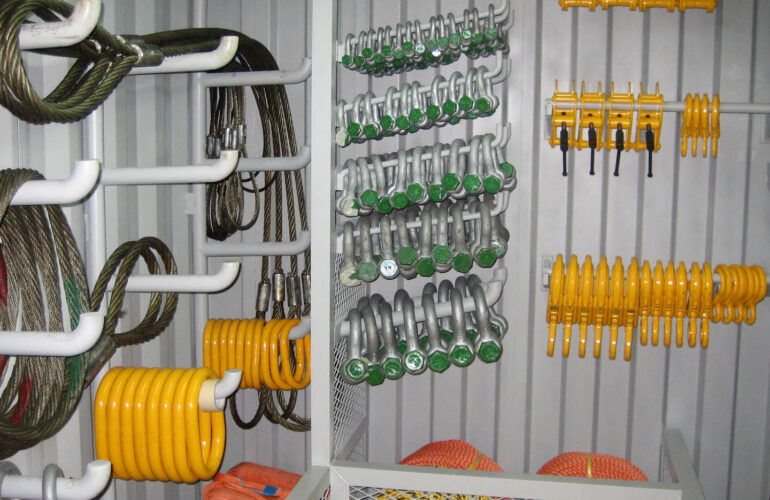
- Proper Storage: Webbing slings should be stored properly in a cool and dry room, preferably on a storage rack, when not in use. It should not be placed near abrasive objects, acids, corrosive chemicals, or damp spaces.
CONCLUSION
Webbing slings should be inspected before every use. Inspection is not optional it is a core safety requirement in any lifting operation. A few minutes spent checking a sling can prevent serious injuries, equipment loss, and costly downtime.
Oilfield Solutions Ltd implements a structured inspection program aligned with recognised standards such as DNV and LEEA to ensure that our lifting gears deliver quality and safe lifting operations. We offer premium lifting gears that keep your operations running smoothly and significantly reduce the risk of accidents and injuries associated with lifting gear operations.
For expert guidance on choosing the right lifting gears and maintaining your lifting equipment, contact us today at delivery@oilfieldsolutions-ng.com