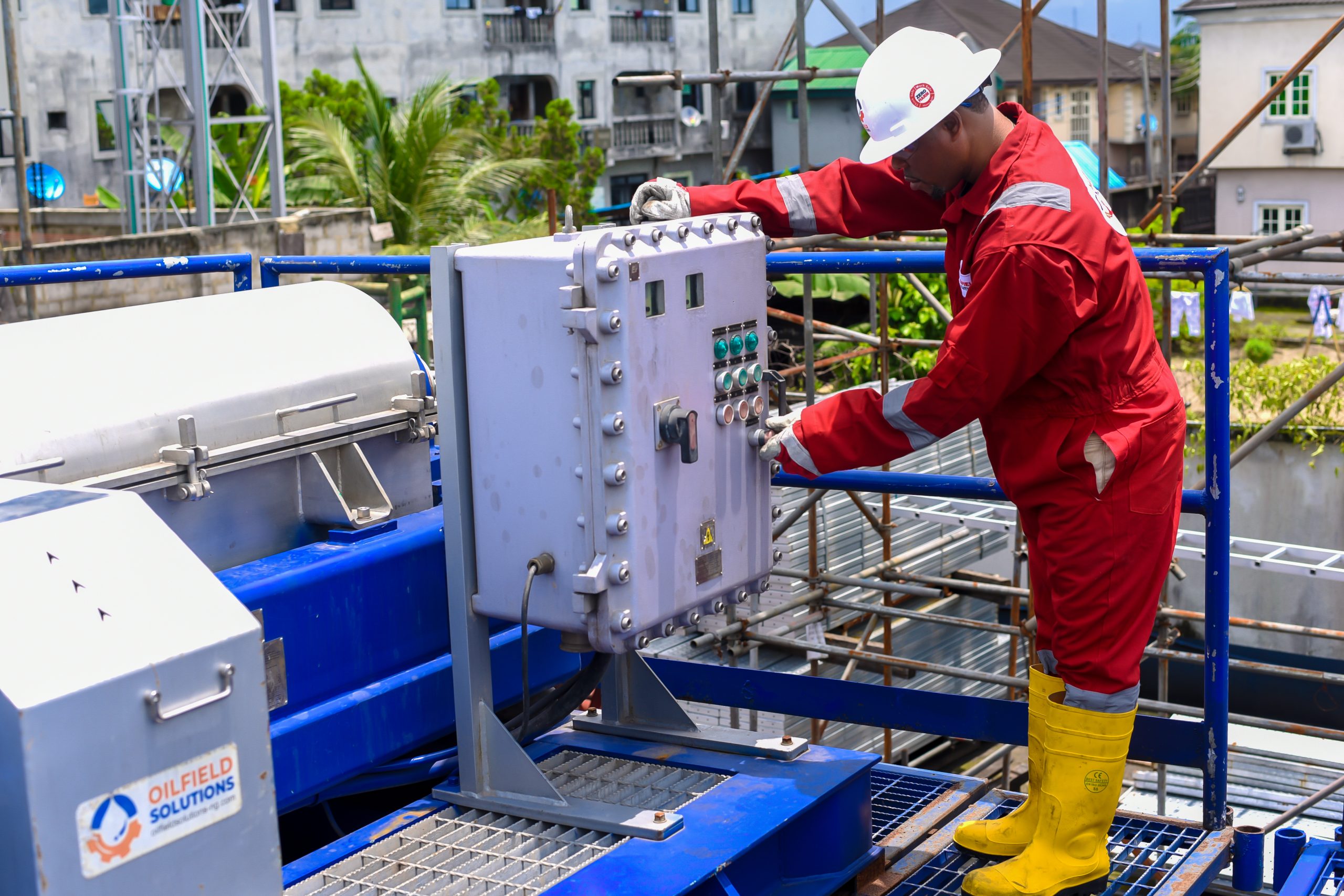
The oil and gas industry is constantly evolving, driven by the need to enhance efficiency, reduce costs, and minimise environmental impact. In this dynamic landscape, solids control technology has emerged as a critical area of innovation. As drilling operations become more complex and environmental regulations more stringent, the demand for advanced solids control solutions has never been higher. At Oilfield Solutions, we are at the forefront of these innovations, offering cutting-edge solids control systems that set new standards in the industry.
The Evolution of Solids Control Technology
Solids control has always been a crucial component of drilling operations, but the technology has evolved significantly since its early days. Initially, basic mechanical equipment like shale shakers and desanders was used to separate solids from drilling fluid. While these tools were effective to some extent, they often struggled to keep up with the demands of modern drilling operations, particularly in challenging environments like deepwater or shale formations.
In response to these challenges, the industry has seen a wave of innovations in solids control technology. Today’s systems are more sophisticated, incorporating advanced materials, automation, and data analytics to achieve higher levels of efficiency and precision. These innovations are not only improving the performance of solids control systems but also helping companies reduce costs and comply with environmental regulations.
Key Innovations in Solids Control Technology
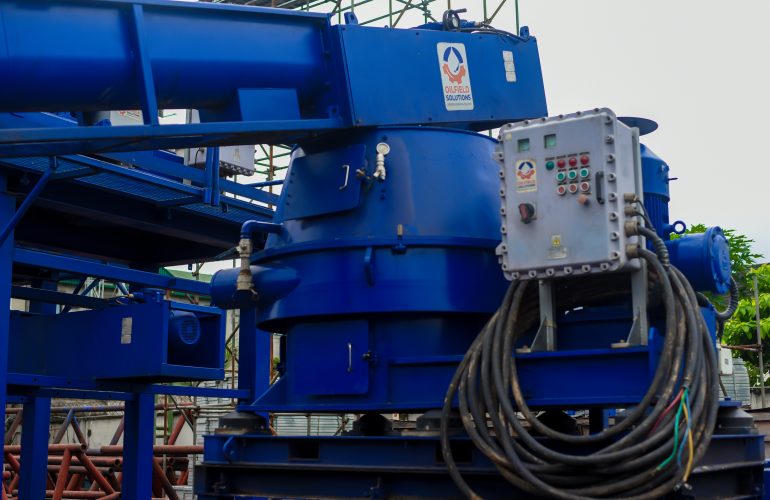
- Advanced Centrifuges: Centrifuges have long been a cornerstone of solids control systems, but recent advancements have taken their performance to new heights. Modern centrifuges are designed to handle a wider range of fluid viscosities and solids sizes, making them more versatile and effective in different drilling environments. One of the key innovations in centrifuge technology is the use of variable-speed drives, which enable precise control over the centrifuge’s rotational speed. This enables operators to adjust the separation process in real-time, optimizing the removal of solids and enhancing the quality of the drilling fluid. Additionally, advanced centrifuges are now equipped with automated controls and monitoring systems, reducing the need for manual intervention and minimizing the risk of errors.
- High-Efficiency Shale Shakers: Shale shakers are the first line of defense in solids control, responsible for removing the largest particles from the drilling fluid. Recent innovations in shale shaker design have focused on improving separation efficiency while reducing energy consumption and maintenance requirements. One such innovation is the development of high-frequency, multi-deck shakers that can handle higher flow rates and achieve finer separations. These shakers use advanced screen materials and designs to increase surface area and improve solids removal efficiency. Additionally, the use of modular components allows for easy customization and maintenance, making these shakers more adaptable to different drilling conditions.
- Automated Solids Control Systems: Automation is transforming every aspect of the oil and gas industry, and solids control is no exception. Automated solids control systems use sensors, data analytics, and machine learning algorithms to monitor and adjust the separation process in real-time. These systems can detect changes in fluid properties, such as viscosity or solids content, and automatically adjust equipment settings to maintain optimal performance. The benefits of automation are significant. By reducing the need for manual intervention, automated systems minimize the risk of human error and improve overall efficiency. They also enable continuous monitoring and reporting, providing operators with valuable insights into the performance of their solids control system. This data-driven approach allows for more informed decision-making and proactive maintenance, reducing downtime and extending the life of the equipment.
- Enhanced Desanders and Desilters: Desanders and desilters play a crucial role in removing finer particles from the drilling fluid after the shale shakers have done their job. Recent innovations in these devices have focused on improving their efficiency and adaptability to different drilling conditions. Modern desanders and desilters use advanced hydrocyclone designs that increase separation efficiency while reducing pressure drop and energy consumption. Some systems also incorporate adjustable or interchangeable hydrocyclones, allowing operators to customize the separation process based on the specific characteristics of the drilling fluid and solids. These innovations result in cleaner drilling fluid, which in turn improves drilling performance and reduces wear on downstream equipment.
- Integration with Drilling Fluid Management Systems: Another significant innovation in solids control technology is the integration with drilling fluid management systems. By connecting solids control equipment with fluid management software, operators can gain a more comprehensive view of their drilling operations. This integration allows for better coordination between solids control and other aspects of drilling, such as fluid mixing and treatment. For example, real-time data from the solids control system can be used to adjust the chemical treatment of the drilling fluid, ensuring that it maintains the desired properties throughout the drilling process. This level of integration not only improves efficiency but also helps operators respond more quickly to changing conditions, reducing the risk of costly delays or equipment failures.
The Benefits of Embracing Innovation in Solids Control
The adoption of these innovations in solids control technology offers several key benefits for drilling operations:
- Increased Efficiency: Advanced equipment and automation reduce the time and effort required to achieve effective solids separation, leading to faster and more efficient drilling operations.
- Cost Savings: By optimising the use of drilling fluids and reducing equipment wear, innovative solids control systems can significantly lower operational costs.
- Enhanced Environmental Compliance: Improved solids control leads to cleaner waste streams and reduced environmental impact, helping companies meet regulatory requirements and avoid fines.
- Greater Flexibility: Modern solids control systems are more adaptable to different drilling environments and fluid types, making them suitable for a wider range of applications.
How Oilfield Solutions is Leading the Way
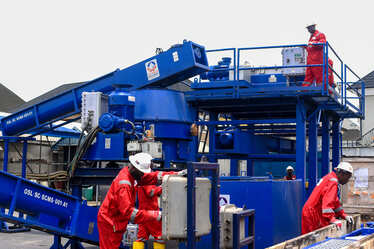
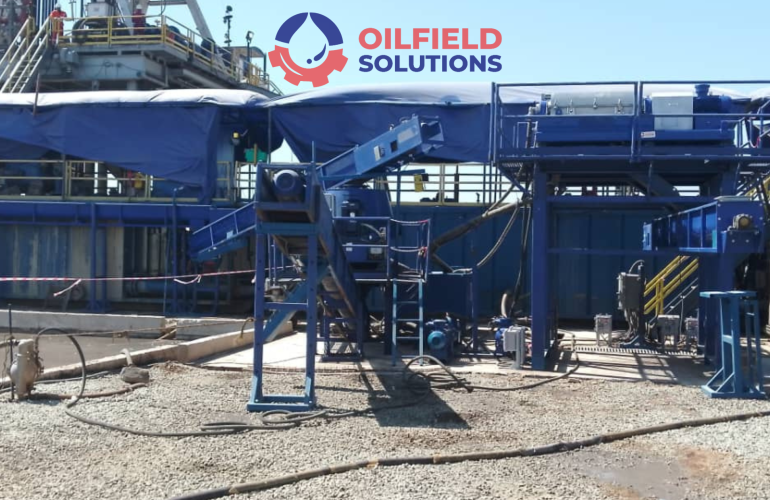
At Oilfield Solutions, we are committed to staying at the cutting edge of solids control technology. Our team continuously evaluates the latest innovations and incorporates them into our service offerings to provide our clients with the most effective solutions available. Whether you are drilling in challenging environments or seeking to reduce your environmental footprint, our advanced solids control systems are designed to meet your needs.
CONCLUSION
The oil and gas industry is evolving rapidly, and staying ahead of the curve requires embracing innovation. In the field of solids control, new technologies are driving significant improvements in efficiency, cost-effectiveness, and environmental performance. At Oilfield Solutions, we are proud to offer state-of-the-art solids control services that leverage these innovations to deliver exceptional results for our clients.
If you are looking to enhance your drilling operations with the latest in solids control technology, contact Oilfield Solutions today. Our team is ready to help you achieve your operational goals while maintaining the highest standards of safety and environmental responsibility.
Contact us at bdm@oilfieldsolutions-ng.com today.